Understanding Immune Related Blood Disorders
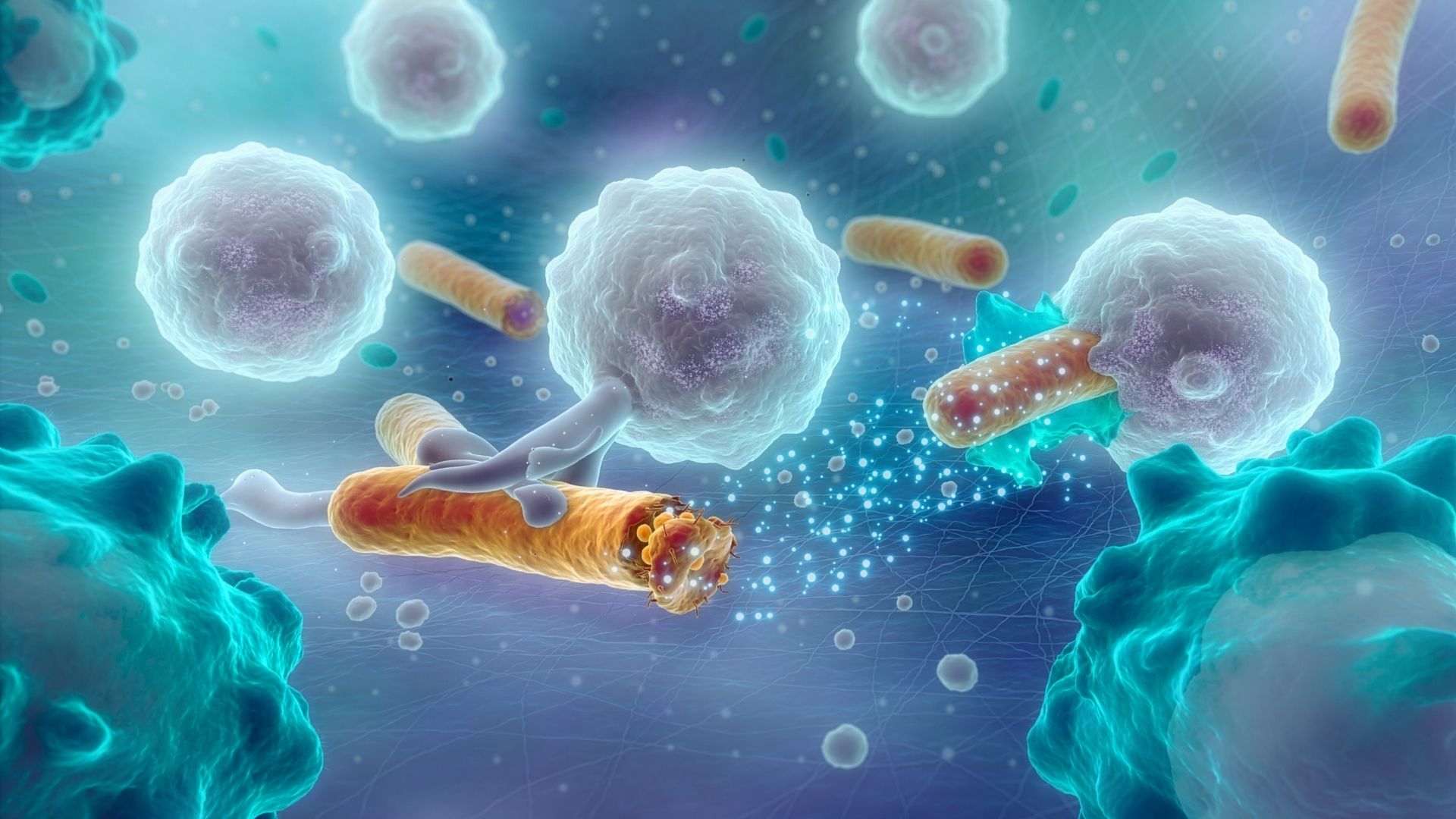
Immune-related blood disorders occur when the body’s immune system mistakenly attacks its own blood cells or interferes with their production and function. Instead of protecting the body, the immune system turns against it—leading to low blood counts, increased risk of infections, bleeding, or clotting complications.
These conditions can be acute or chronic, and with early diagnosis and the right treatment, many can be effectively managed to improve quality of life.
Types of Immune-Related Blood Disorders :
Immune Thrombocytopenia (ITP)
A condition where the immune system destroys platelets, which are essential for blood clotting. This leads to easy bruising, bleeding gums, nosebleeds, or tiny red spots on the skin (petechiae). Treatment may include medications to suppress the immune system or increase platelet production.
Autoimmune Hemolytic Anemia (AIHA)
In this disorder, the immune system attacks and destroys red blood cells faster than they can be produced. Symptoms include fatigue, pale or yellowish skin, dark urine, and shortness of breath. Treatment focuses on controlling the immune response and managing anemia.
Aplastic Anemia (Immune-Mediated)
In some cases, aplastic anemia occurs when the immune system attacks bone marrow stem cells, reducing the production of all blood cells. This can lead to fatigue, infections, and bleeding. Treatment may involve immunosuppressive therapy or stem cell transplant.
Antiphospholipid Syndrome (APS)
An autoimmune condition that increases the risk of abnormal blood clot formation. It can lead to recurrent clots, pregnancy complications, or stroke in some individuals. Management typically includes long-term blood thinners and monitoring.
Other Related Conditions
This includes disorders where immune dysfunction affects blood health, such as:
Systemic Lupus Erythematosus (SLE)-Related Blood Disorders:
Autoimmune conditions like lupus can affect red cells, white cells, and platelets.
Drug-Induced Immune Cytopenias:
Certain medications can trigger immune reactions that destroy blood cells.
Secondary Immune Disorders:
Blood-related complications arising from infections or other autoimmune diseases.
These conditions require careful diagnosis and individualized treatment strategies.
Common Symptoms
Easy bruising or bleeding
Persistent fatigue or weakness
Frequent infections
Pale or yellowish skin
Unexplained blood clots
Skin rashes or petechiae
If you notice these symptoms, it’s important to seek medical advice early.
Advanced Treatment Options
Treatment depends on the specific condition and severity. Options may include:
Immunosuppressive medications (steroids, targeted therapies)
Intravenous immunoglobulin (IVIG)
Blood transfusions (when needed)
Plasma exchange (in select cases)
Anticoagulants (for clotting-related conditions)
Each treatment plan is tailored to regulate the immune system and restore healthy blood function.
Our Approach to Care
We combine expertise in hematology and immunology with patient-centered care. Every patient receives:
Accurate diagnosis and personalized treatment planning
Close monitoring of immune and blood parameters
Access to advanced therapies
Ongoing support and guidance
When to Seek Help
If you or a loved one is experiencing symptoms of an immune-related blood disorder or has been diagnosed with one, early consultation can help prevent complications and improve long-term outcomes.
Book a consultation today and take the first step toward balanced, effective care. 🌿








© 2026 Kunal Goyal