Read time:
5 mins
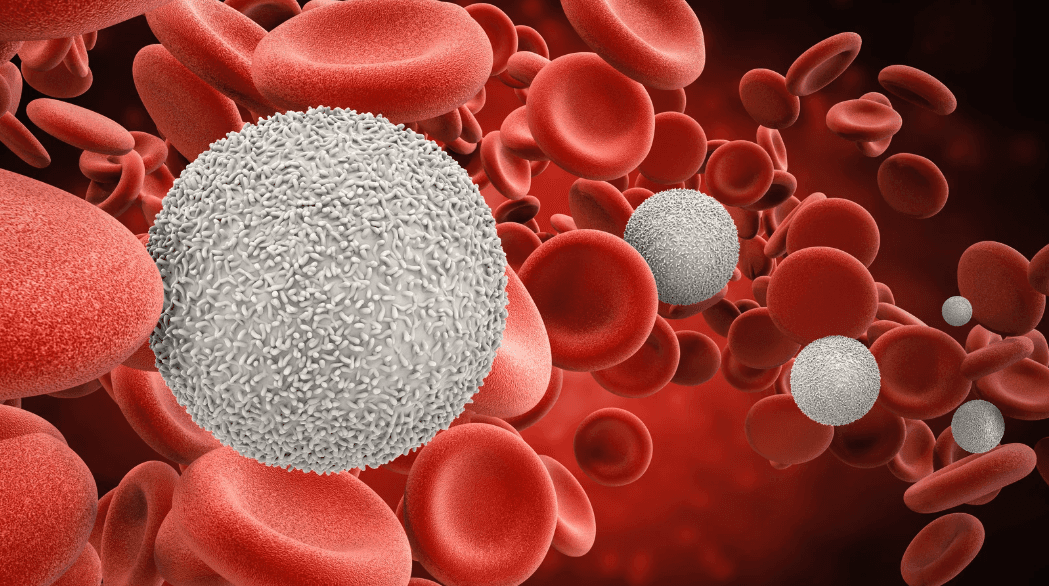
Myelodysplastic syndromes (MDS), also known as myelodysplastic neoplasms, are a group of bone marrow disorders in which blood-forming cells do not develop properly. This leads to the production of abnormal blood cells and may result in low levels of healthy red blood cells, white blood cells or platelets.
MDS varies in severity. Some cases progress slowly, while others carry a higher risk of developing into acute myeloid leukemia (AML). Early diagnosis and appropriate treatment help manage symptoms, reduce complications and guide long-term care.
What Are Myelodysplastic Syndromes?
The bone marrow produces red blood cells that carry oxygen, white blood cells that fight infections and platelets that help stop bleeding.
In MDS, blood-forming stem cells develop abnormalities that interfere with normal blood cell production. Although the bone marrow may be active, many of the cells produced are abnormal or fail to mature properly. This can result in cytopenias, meaning lower-than-normal numbers of one or more types of blood cells.
Types of Myelodysplastic Syndromes
MDS is classified according to factors such as genetic changes, chromosome abnormalities, the appearance of bone marrow cells and the percentage of immature cells called blasts.
Common disease categories include:
MDS with low blasts: Characterised by a relatively low proportion of immature blood cells.
MDS with increased blasts: Involves a higher proportion of immature cells and may carry a greater risk of progression to AML.
MDS with specific genetic abnormalities: Certain chromosome or gene changes help define the disease subtype and influence treatment decisions.
MDS with fibrosis: In some cases, increased fibrous tissue in the bone marrow contributes to abnormal blood cell production.
The exact classification depends on the diagnostic system used and the patient's test results.
What Causes MDS?
MDS develops when genetic changes occur in the blood-forming cells of the bone marrow. In many cases, the exact cause is unknown.
Factors associated with an increased risk include:
Older age
Previous chemotherapy or radiation therapy
Exposure to certain industrial chemicals, including benzene
Rare inherited conditions that affect bone marrow function
MDS is generally an acquired condition and is not usually inherited or passed from one person to another.
Symptoms of Myelodysplastic Syndromes
Symptoms often develop because the bone marrow cannot produce enough healthy blood cells. Some patients have no noticeable symptoms initially and are diagnosed following routine blood tests.
Common symptoms include:
Anaemia: Fatigue, weakness, pale skin and shortness of breath.
Low white blood cell counts: Frequent or persistent infections and fever.
Low platelet counts: Easy bruising, nosebleeds, bleeding gums or prolonged bleeding.
Reduced stamina: Difficulty carrying out everyday activities due to low blood counts.
The symptoms and their severity vary depending on which blood cell types are affected.
How Is MDS Diagnosed?
Diagnosing MDS requires a combination of blood tests, bone marrow examination and genetic investigations.
Complete Blood Count (CBC)
A CBC measures red blood cells, white blood cells, haemoglobin and platelets. Persistent unexplained low blood counts may prompt further testing.
Peripheral Blood Smear
A blood smear allows doctors to examine the size, shape and appearance of blood cells for abnormalities.
Bone Marrow Aspiration and Biopsy
These tests assess how blood cells develop in the bone marrow and help identify abnormal cell growth, dysplasia, fibrosis and blast levels.
Cytogenetic and Molecular Testing
Chromosome analysis and genetic tests can identify abnormalities that help classify MDS, estimate risk and guide treatment choices.
Doctors may also investigate other causes of low blood counts, such as nutritional deficiencies, infections, medication effects and other bone marrow disorders.
Treatment Options for MDS
Treatment depends on the MDS subtype, risk category, symptoms, blood counts, genetic findings, age and overall health.
Monitoring and Supportive Care
Patients with lower-risk disease and stable blood counts may be monitored regularly. Supportive care can include red blood cell or platelet transfusions and treatment of infections when needed.
Medicines for Anaemia
Selected patients may benefit from erythropoiesis-stimulating agents or other medicines that help reduce transfusion requirements, depending on the disease subtype and clinical findings.
Disease-Modifying Treatment
Medicines such as azacitidine and decitabine may be considered for higher-risk MDS or other appropriate clinical situations. Some patients may be eligible for treatments directed at specific genetic abnormalities.
Allogeneic Stem Cell Transplantation
An allogeneic stem cell transplant replaces the patient's diseased blood-forming system with healthy stem cells from a donor. It is the only established treatment with curative potential for MDS, but it carries significant risks and is suitable only for selected patients.
Can MDS Progress to Acute Myeloid Leukemia?
Some forms of MDS can progress to acute myeloid leukemia (AML), a cancer involving the rapid growth of abnormal immature blood cells. The risk varies considerably according to the MDS subtype, blast percentage, chromosome abnormalities, gene mutations and blood counts.
Risk assessment tools, including the Revised International Prognostic Scoring System (IPSS-R) and newer molecularly informed approaches, help doctors estimate disease risk and plan treatment.
Living With MDS: The Importance of Regular Monitoring
Regular follow-up helps doctors track blood counts, evaluate treatment response and identify signs of disease progression. Patients should report new or worsening symptoms, particularly fever, unusual bleeding, breathlessness or marked fatigue.
Care from a haematology team can help patients understand their diagnosis, treatment options and the role of supportive care.