
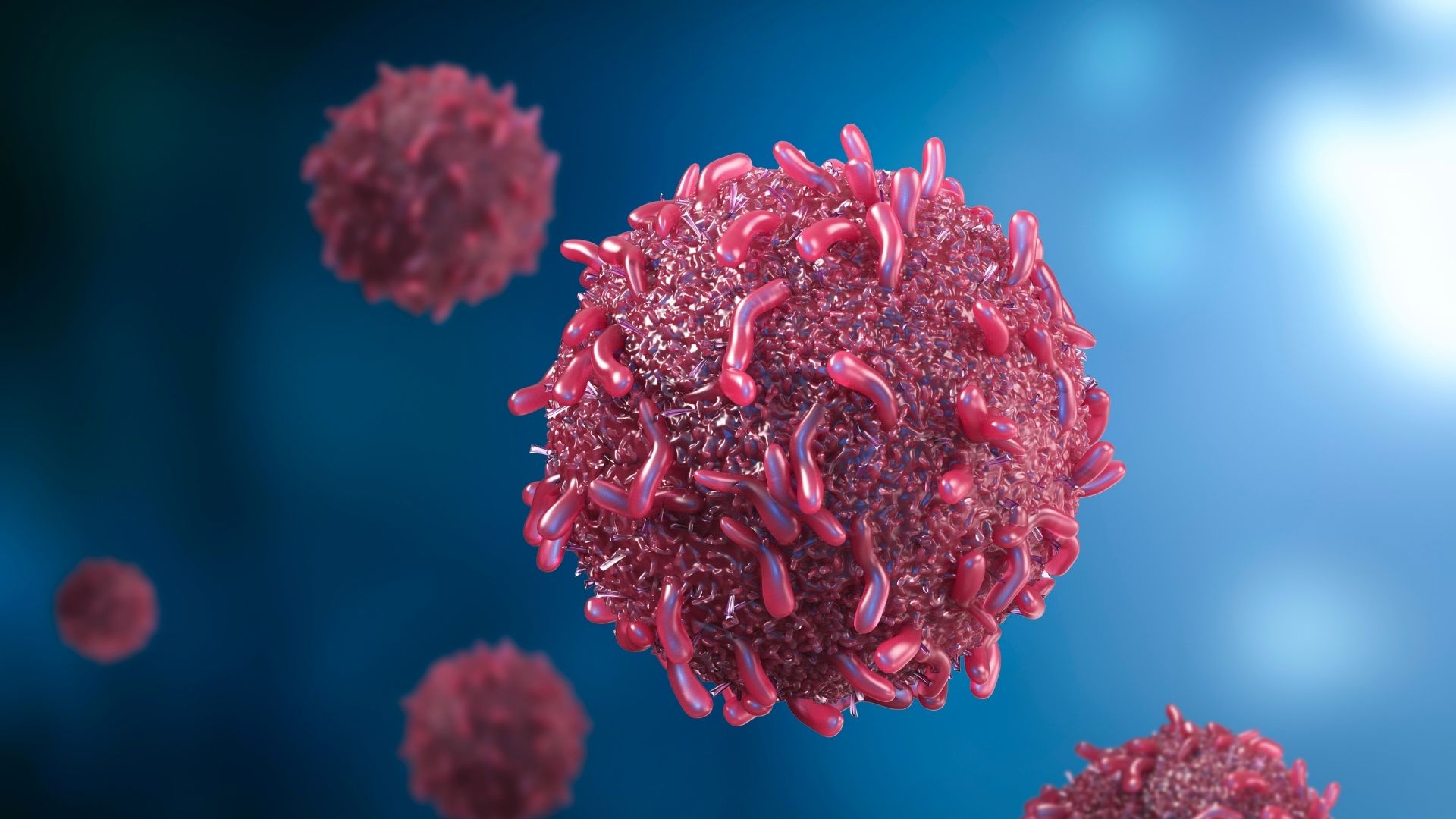
Understanding Blood Cancers
Blood cancers affect how blood cells are produced and function in the body. They usually begin in the bone marrow or lymphatic system, where blood cells are formed.
The most common types include leukemia, lymphoma, and multiple myeloma. With early diagnosis and the right treatment, many blood cancers can be effectively managed—and in some cases, cured.
Types of Blood Cancers :
Leukemia
A cancer of the blood and bone marrow characterized by the uncontrolled production of abnormal white blood cells. These cells do not function properly and can crowd out healthy blood cells, leading to symptoms such as fatigue, frequent infections, easy bruising or bleeding, and anemia. Leukemia can be acute (fast-growing) or chronic (slow-growing), and treatment is tailored based on the type and stage of the disease.
Lymphoma
A type of cancer that originates in the lymphatic system, which plays a key role in the body’s immune defense. It commonly presents as painless swelling of lymph nodes in the neck, underarms, or groin, and may be associated with fever, night sweats, weight loss, or fatigue. The two main types are Hodgkin lymphoma and non-Hodgkin lymphoma, each requiring a specific treatment approach.
Multiple Myeloma
A cancer of plasma cells, which are responsible for producing antibodies. In multiple myeloma, abnormal plasma cells accumulate in the bone marrow and interfere with normal blood cell production. This can lead to bone pain, fractures, anemia, kidney dysfunction, and increased susceptibility to infections. Treatment focuses on controlling the disease, relieving symptoms, and improving quality of life.
Other Related Conditions
This includes a range of disorders affecting blood cell production and function, such as:
Myelodysplastic Syndromes (MDS): Conditions where the bone marrow does not produce enough healthy blood cells, often leading to anemia or risk of progression to leukemia.
Myeloproliferative Disorders (MPD): A group of conditions where the bone marrow produces too many blood cells, which may increase the risk of clotting or other complications.
These conditions require careful monitoring and individualized treatment strategies based on severity and progression.

Common Symptoms
Persistent fatigue or weakness
Frequent infections
Unexplained weight loss
Swollen lymph nodes
Easy bruising or bleeding
If you notice these symptoms, it’s important to seek medical advice early.
Advanced Treatment Options
Treatment depends on the type and stage of the disease. Options may include:
Chemotherapy
Targeted Therapy
Immunotherapy
CAR T-Cell Therapy (advanced, personalized treatment)
Bone Marrow / Stem Cell Transplant
Each treatment plan is carefully tailored to the patient’s condition and needs.
Our Approach to Care
We combine advanced medical expertise with a patient-first approach. Every patient receives:
Personalized treatment planning
Clear guidance at every step
Access to advanced therapies like CAR T-cell treatment
Compassionate, ongoing support
When to Seek Help
If you or a loved one has been diagnosed with a blood cancer—or is experiencing concerning symptoms—early consultation can make a significant difference.
Book a consultation today and take the first step toward the right care.









© 2026 Kunal Goyal