Understanding Bleeding Disorders
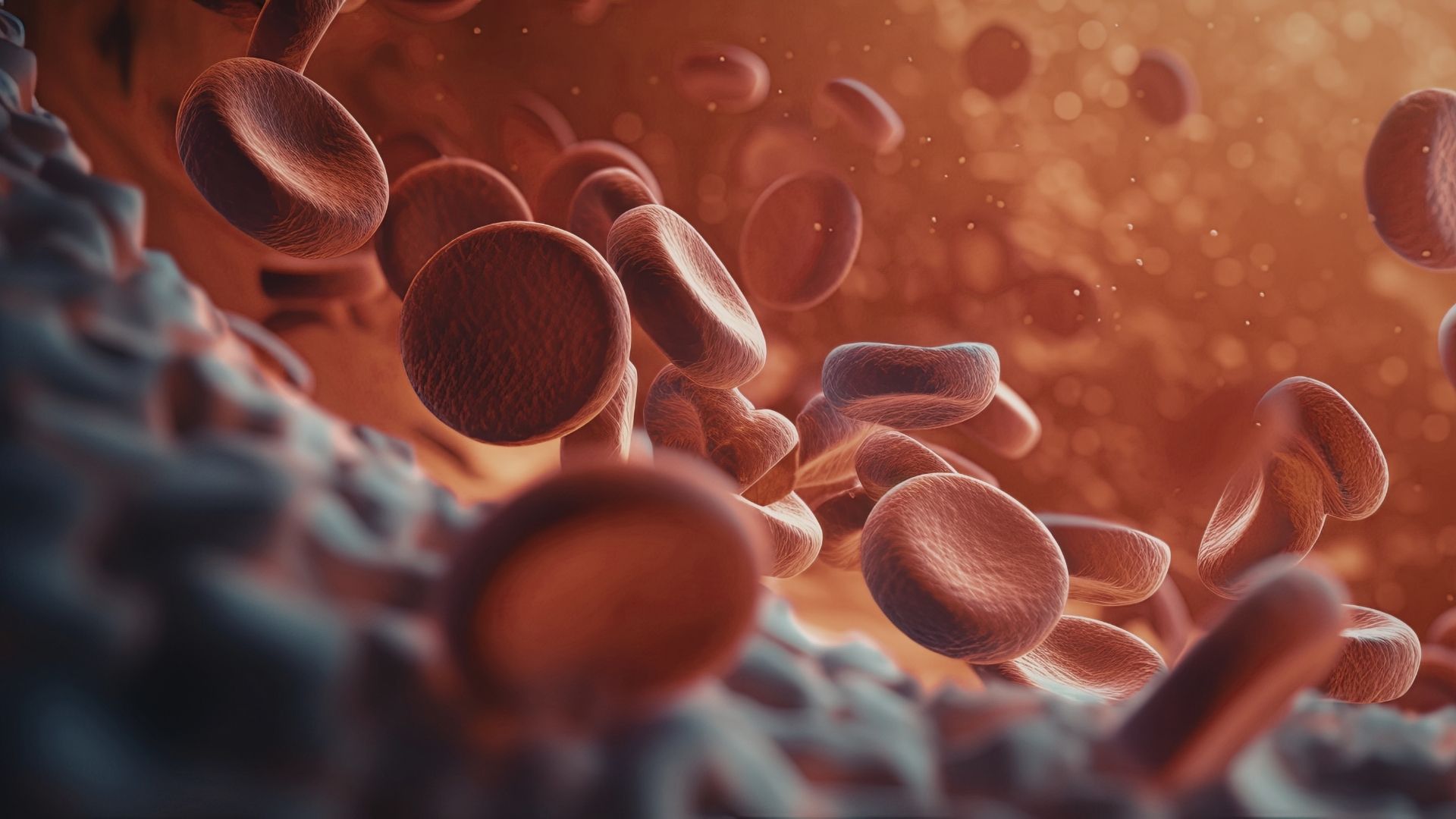
Bleeding disorders affect the body’s ability to form blood clots properly, which is essential to stop bleeding after an injury. These conditions can lead to prolonged or excessive bleeding, either externally or internally, and may be inherited or acquired over time.
The most common types include hemophilia, von Willebrand disease, and platelet function disorders. With early diagnosis and appropriate care, many bleeding disorders can be effectively managed, allowing individuals to lead active and healthy lives.
Types of Bleeding Disorders :
Hemophilia
A genetic disorder in which the blood lacks certain clotting factors (usually Factor VIII in Hemophilia A or Factor IX in Hemophilia B). This results in prolonged bleeding, even from minor injuries, and spontaneous bleeding into joints and muscles. Symptoms may include joint pain, swelling, easy bruising, and excessive bleeding after surgery or dental procedures. Treatment typically involves replacement of the missing clotting factor and preventive care.
Von Willebrand Disease (VWD)
The most common inherited bleeding disorder, caused by a deficiency or dysfunction of von Willebrand factor—a protein that helps platelets stick together and form clots. It often presents with frequent nosebleeds, heavy menstrual bleeding, easy bruising, or prolonged bleeding after injury. Many cases are mild, but some may require medication or clotting support during procedures.
Platelet Function Disorders
These conditions occur when platelets are present in normal numbers but do not function properly. This can lead to symptoms such as easy bruising, frequent nosebleeds, or excessive bleeding from cuts. Causes may be inherited or acquired due to medications or underlying health conditions. Treatment depends on the severity and underlying cause.
Other Related Conditions
This includes a range of disorders that affect clotting and bleeding balance, such as:
Rare Clotting Factor Deficiencies:
Deficiencies in other clotting factors (such as Factor VII, X, or XIII) that can lead to abnormal bleeding patterns.
Acquired Bleeding Disorders:
Conditions that develop later in life due to liver disease, vitamin K deficiency, certain medications (like blood thinners), or autoimmune disorders that affect clotting.
These conditions require careful evaluation and individualized treatment strategies.
Common Symptoms
Frequent or prolonged nosebleeds
Easy bruising
Excessive bleeding from cuts or injuries
Heavy or prolonged menstrual bleeding
Bleeding into joints or muscles (in severe cases)
If you notice these symptoms, it’s important to seek medical advice early.
Advanced Treatment Options
Treatment depends on the type and severity of the disorder. Options may include:
Clotting factor replacement therapy
Desmopressin (DDAVP) to boost clotting factors
Antifibrinolytic medications to prevent clot breakdown
Platelet transfusions (in certain cases)
Lifestyle guidance and preventive care
Each treatment plan is tailored to the patient’s specific condition and needs.
Our Approach to Care
We combine clinical expertise with a patient-centered approach. Every patient receives:
Personalized evaluation and treatment planning
Education on managing bleeding risks
Access to specialized therapies
Ongoing monitoring and compassionate support
When to Seek Help
If you or a loved one experiences unusual or prolonged bleeding, or has a diagnosed bleeding disorder, early consultation can help prevent complications and improve quality of life.
Book a consultation today and take the first step toward safer, more confident care.



© 2026 Kunal Goyal