
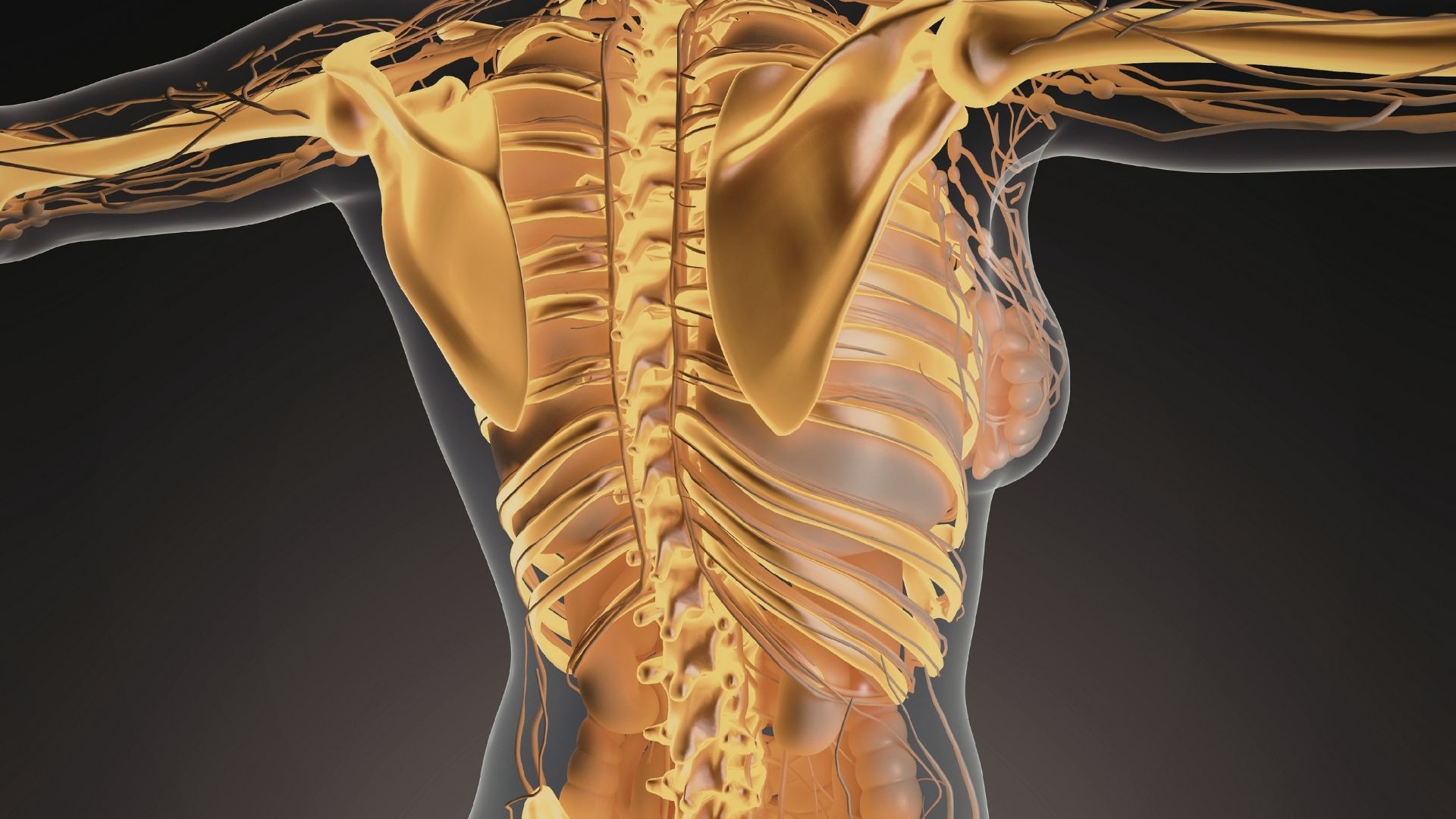
Understanding Bone Marrow Disorders
Bone marrow disorders affect the body’s ability to produce healthy blood cells—red cells, white cells, and platelets. Since bone marrow is the “blood factory” of the body, any disruption can impact oxygen delivery, immunity, and clotting.
These disorders may be genetic or acquired and can range from mild to serious conditions. With early diagnosis and appropriate treatment, many bone marrow disorders can be effectively managed, and in some cases, treated with curative intent.
Types of Bone Marrow Disorders :
Aplastic Anemia
A condition where the bone marrow fails to produce enough blood cells. This leads to fatigue (low red cells), frequent infections (low white cells), and increased bleeding or bruising (low platelets). It may be caused by autoimmune conditions, infections, or certain medications. Treatment options include medications, blood transfusions, and stem cell transplantation.
Myelodysplastic Syndromes (MDS)
A group of disorders in which the bone marrow produces abnormal, immature blood cells that do not function properly. Patients may experience anemia, infections, or bleeding tendencies. MDS can sometimes progress to acute leukemia. Treatment focuses on improving blood counts and slowing disease progression.
Myeloproliferative Neoplasms (MPN)
These conditions occur when the bone marrow produces too many blood cells. Types include polycythemia vera (excess red cells), essential thrombocythemia (excess platelets), and primary myelofibrosis. Symptoms may include fatigue, headaches, clotting issues, or an enlarged spleen. Treatment aims to control blood cell production and reduce complications.
Multiple Myeloma
A cancer of plasma cells in the bone marrow that affects normal blood cell production and weakens bones. Symptoms may include bone pain, anemia, kidney issues, and recurrent infections. Treatment includes targeted therapy, immunotherapy, and sometimes stem cell transplant.
Leukemia
A cancer of blood-forming tissues where abnormal white blood cells are produced in large numbers. These cells crowd out normal cells, leading to fatigue, infections, and bleeding problems. Leukemia can be acute or chronic, and treatment depends on its type and stage.
Other Related Conditions
This includes disorders that affect bone marrow function indirectly, such as:
Bone Marrow Fibrosis:
A condition where scar tissue replaces healthy marrow, reducing blood cell production.
Secondary Bone Marrow Suppression:
Caused by chemotherapy, radiation, infections, or chronic illness.
Inherited Bone Marrow Failure Syndromes:
Genetic conditions that impact blood cell production from an early age.
These conditions require careful evaluation and individualized care.
Common Symptoms
Persistent fatigue or weakness
Frequent infections
Easy bruising or bleeding
Shortness of breath
Pale skin
Bone pain or discomfort
If you notice these symptoms, it’s important to seek medical advice early.
Advanced Treatment Options
Treatment depends on the type and severity of the disorder. Options may include:
Blood transfusions
Growth factor therapy
Immunosuppressive therapy
Targeted therapy or chemotherapy
Bone marrow / stem cell transplant
Each treatment plan is tailored to the patient’s condition and long-term needs.
Our Approach to Care
We combine advanced medical expertise with a patient-first approach. Every patient receives:
Comprehensive diagnosis and personalized treatment planning
Access to advanced therapies and transplant options
Clear guidance throughout the treatment journey
Compassionate, continuous support
When to Seek Help
If you or a loved one is experiencing symptoms or has been diagnosed with a bone marrow disorder, early consultation can significantly improve outcomes.
Book a consultation today and take the first step toward the right care and recovery. 🌿










© 2026 Kunal Goyal