Understanding Anemic Disorders
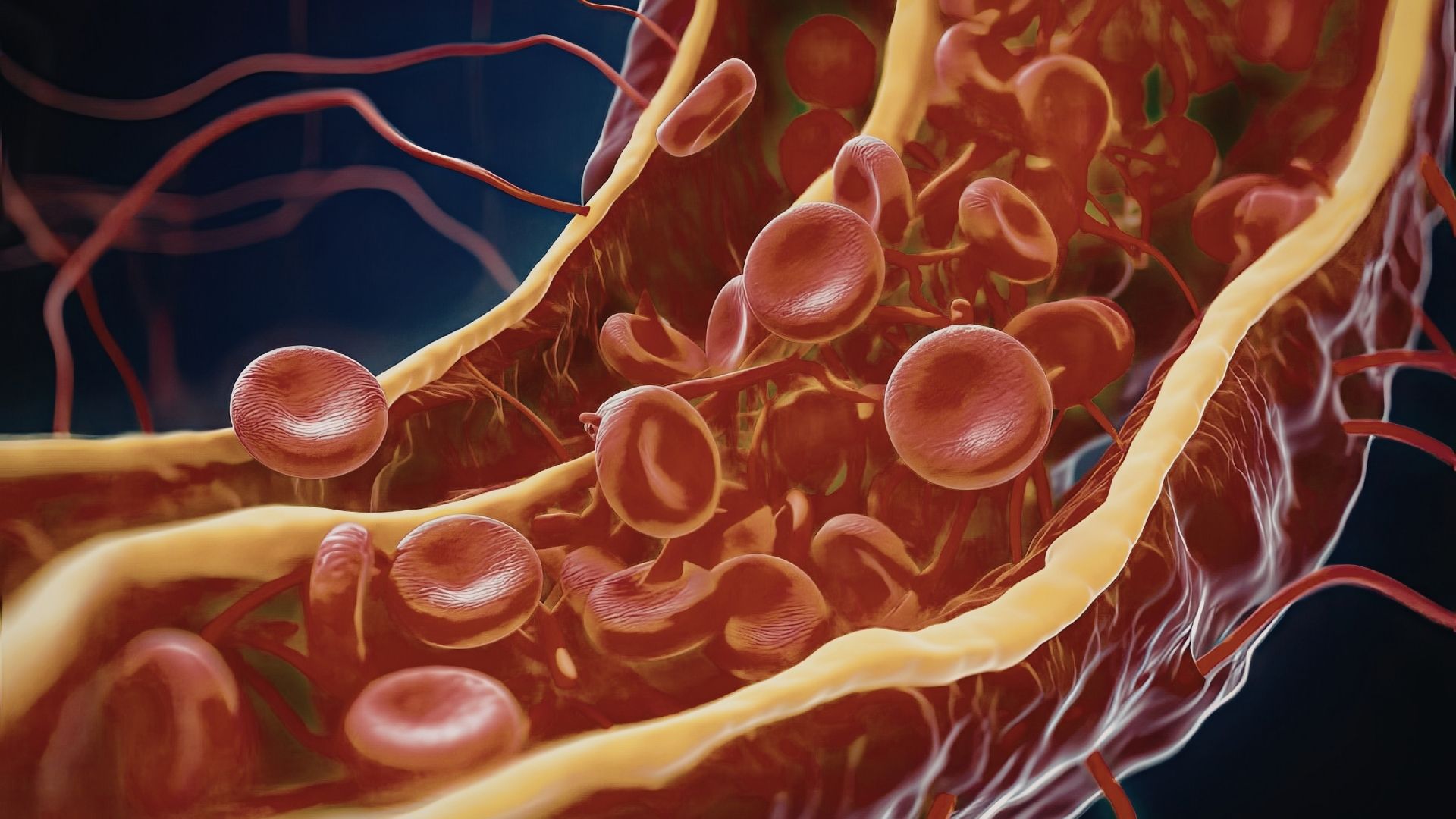
Anemic disorders affect the body’s ability to produce or maintain healthy red blood cells, which are responsible for carrying oxygen throughout the body. When red blood cell levels or hemoglobin are low, the body doesn’t get enough oxygen—leading to fatigue and other health concerns.
Anemia can result from nutritional deficiencies, chronic diseases, genetic conditions, or blood loss. With early diagnosis and the right treatment, most anemic disorders can be effectively managed, helping patients regain energy and overall well-being.
Types of Anemic Disorders :
Iron Deficiency Anemia
The most common type of anemia, caused by a lack of iron needed to produce hemoglobin. It may result from poor diet, blood loss (such as heavy periods), or absorption issues. Symptoms include fatigue, weakness, pale skin, dizziness, and shortness of breath. Treatment involves iron supplementation and addressing the underlying cause.
Vitamin Deficiency Anemia
Occurs when the body lacks essential vitamins like Vitamin B12 or folate, which are needed for red blood cell production. It can lead to fatigue, weakness, nerve-related symptoms (in B12 deficiency), and pale or yellowish skin. Treatment includes dietary changes and vitamin supplementation.
Anemia of Chronic Disease
Seen in individuals with long-term conditions such as infections, inflammatory diseases, or cancer. The body’s ability to use stored iron and produce red blood cells is affected. Management focuses on treating the underlying condition along with supportive care.
Aplastic Anemia
A rare but serious condition where the bone marrow fails to produce enough blood cells. This can lead to fatigue, frequent infections, and bleeding tendencies. Treatment may include medications, blood transfusions, or stem cell transplantation.
Hemolytic Anemia
Occurs when red blood cells are destroyed faster than they can be produced. Causes may include autoimmune disorders, infections, or inherited conditions. Symptoms include fatigue, jaundice, and dark urine. Treatment depends on the cause and severity.
Sickle Cell Anemia
A genetic disorder in which red blood cells are abnormally shaped (sickle-shaped), leading to blockages in blood flow and reduced oxygen delivery. This can cause pain episodes, infections, and organ complications. Management includes medications, pain control, and preventive care.
Other Related Conditions
This includes additional causes and contributing factors such as:
Blood Loss–Related Anemia:
Due to acute or chronic bleeding (e.g., injury, surgery, gastrointestinal bleeding).
Bone Marrow Disorders:
Conditions affecting blood cell production, sometimes linked to underlying diseases.
Inherited Anemias:
Genetic conditions that affect hemoglobin structure or red cell production.
These require careful diagnosis and individualized treatment.
Common Symptoms
Persistent fatigue or weakness
Pale or yellowish skin
Shortness of breath
Dizziness or headaches
Cold hands and feet
Rapid or irregular heartbeat
If you notice these symptoms, it’s important to seek medical advice early.
Advanced Treatment Options
Treatment depends on the type and cause of anemia. Options may include:
Iron or vitamin supplementation
Medications to stimulate red blood cell production
Blood transfusions (in moderate to severe cases)
Treatment of underlying conditions
Bone marrow / stem cell transplant (in select cases)
Each treatment plan is tailored to restore healthy blood levels and improve quality of life.
Our Approach to Care
We combine medical expertise with a patient-centered approach. Every patient receives:
Accurate diagnosis and personalized treatment planning
Nutritional and lifestyle guidance
Access to advanced therapies when needed
Continuous monitoring and compassionate support
When to Seek Help
If you or a loved one is experiencing symptoms of anemia or has been diagnosed with an anemic disorder, early evaluation can make a significant difference.
Book a consultation today and take the first step toward better energy, strength, and health. 🌿








© 2026 Kunal Goyal