Read time:
3 mins
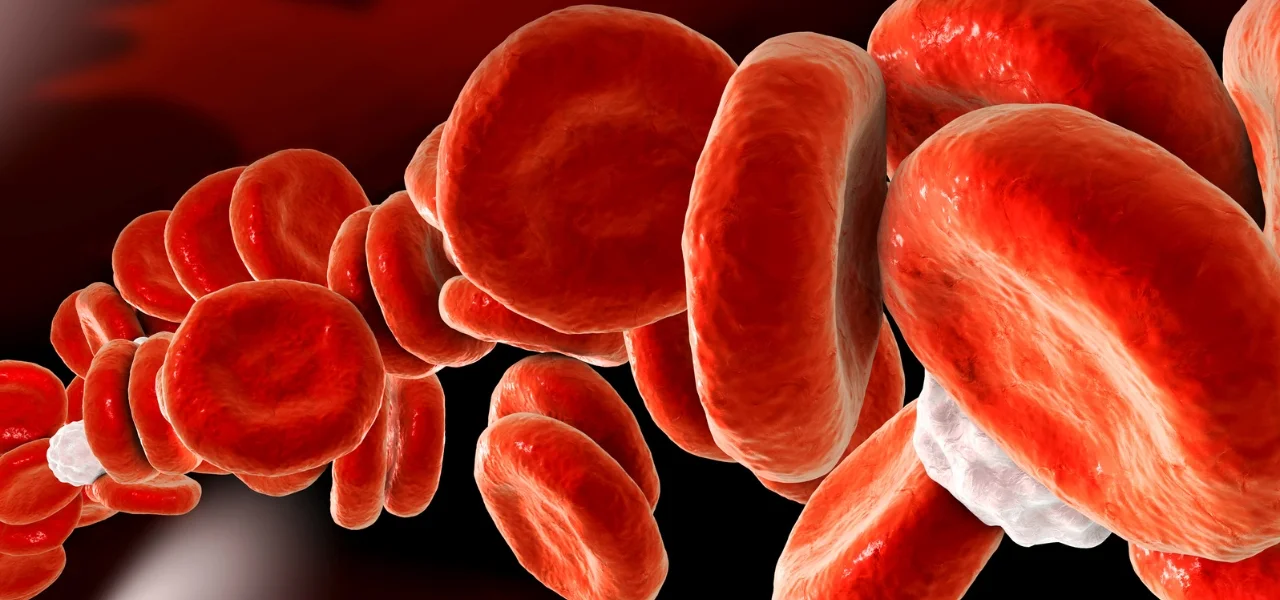
Blood is much more than the red fluid that circulates through our body. It carries oxygen, fights infections, helps control bleeding, and supports the function of almost every organ. When something goes wrong with the blood or the organs that produce it, it can affect the entire body.
Clinical Hematology is the branch of medicine dedicated to understanding, diagnosing, and treating diseases involving the blood, bone marrow, lymph nodes, and related organs.
What Does Clinical Hematology Cover?
Clinical hematology deals with a wide range of conditions, from common problems such as anemia to complex disorders such as leukemia, lymphoma, and multiple myeloma.
A hematologist may evaluate problems involving:
Red blood cells and anemia
White blood cells and immune disorders
Platelets and bleeding or clotting disorders
Bone marrow disorders
Blood cancers
Lymphomas
Plasma cell disorders
Blood clotting and thrombosis
Certain inherited blood disorders
Disorders of the spleen and lymphatic system
Because many blood disorders can affect multiple organs, hematology often involves working closely with other medical specialists.
Common Conditions Treated by a Hematologist
Anemia
Anemia occurs when the body does not have enough healthy red blood cells or hemoglobin to carry adequate oxygen to tissues.
Common symptoms include:
Persistent tiredness
Weakness
Shortness of breath
Dizziness
Headaches
Pale skin
Reduced exercise tolerance
There are many types of anemia, including iron-deficiency anemia, vitamin B12 or folate deficiency anemia, anemia related to chronic diseases, and anemia caused by problems in the bone marrow.
Identifying the underlying cause is important because treatment depends on the type of anemia.
Bleeding and Platelet Disorders
Platelets play an important role in stopping bleeding. Too few platelets, abnormal platelet function, or certain clotting disorders can result in excessive bleeding or easy bruising.
Warning signs may include:
Frequent or unexplained bruising
Frequent nosebleeds
Heavy menstrual bleeding
Bleeding that takes unusually long to stop
Blood in urine or stool
Tiny red or purple spots on the skin
Some bleeding disorders are inherited, while others develop later in life.
Blood Clots and Thrombosis
Blood must remain fluid while circulating through the body, but it also needs to clot when there is an injury. Problems with this balance can lead to abnormal blood clots.
A clot in a deep vein, known as deep vein thrombosis (DVT), may cause swelling, pain, warmth, or redness in a limb. If part of a clot travels to the lungs, it can cause a pulmonary embolism, which may be life-threatening.
Hematologists evaluate why abnormal clotting occurs and determine the appropriate treatment and duration of anticoagulation when required.
Hematological Cancers
Clinical hematology also plays a major role in the diagnosis and treatment of blood cancers.
Leukemia
Leukemia is a cancer of blood-forming tissues, particularly the bone marrow. It causes abnormal blood cells to grow and multiply.
Leukemias are broadly classified into acute and chronic forms and can arise from different types of blood cells.
Symptoms can vary but may include:
Persistent fatigue
Recurrent infections
Fever
Easy bruising or bleeding
Unexplained weight loss
Bone or joint pain
Enlarged lymph nodes
Lymphoma
Lymphoma develops in the lymphatic system and primarily involves abnormal lymphocytes, a type of white blood cell.
Some common symptoms include:
Painless swelling of lymph nodes
Persistent fever
Night sweats
Unexplained weight loss
Persistent fatigue
Itching in some cases
There are many different types of lymphoma, and treatment depends on the specific subtype and stage.
Multiple Myeloma
Multiple myeloma is a cancer involving plasma cells, which are immune cells that normally produce antibodies.
It can affect the bones, kidneys, blood counts, and calcium levels. Symptoms may include bone pain, fatigue, recurrent infections, kidney problems, or high calcium levels.
Early evaluation and accurate diagnosis are important because myeloma can sometimes initially resemble other common conditions.
How Are Blood Disorders Diagnosed?
Diagnosis usually begins with a detailed medical history and physical examination, followed by appropriate laboratory tests.
Depending on the suspected condition, investigations may include:
Complete Blood Count (CBC)
A CBC provides information about red blood cells, white blood cells, hemoglobin, and platelets. It is often one of the first tests used when evaluating a possible blood disorder.
Peripheral Blood Smear
A blood sample is examined under a microscope to assess the appearance and characteristics of blood cells. It can provide important clues about certain anemias, infections, and blood cancers.
Iron, Vitamin and Other Blood Tests
Tests for iron, vitamin B12, folate, kidney function, liver function, and other parameters may help identify the cause of abnormal blood counts.
Bone Marrow Examination
The bone marrow is where most blood cells are produced. A bone marrow aspiration and biopsy may be recommended when doctors need to investigate unexplained blood count abnormalities or suspected bone marrow disorders and blood cancers.
Flow Cytometry, Cytogenetics and Molecular Testing
Modern hematology increasingly uses specialized laboratory techniques to identify abnormal cells and genetic changes.
These tests can help determine the exact type of blood disorder and, in certain cancers, may also provide information that guides treatment.
Why Is an Accurate Diagnosis Important?
A low hemoglobin level, abnormal white blood cell count, or low platelet count is not a diagnosis by itself.
For example, anemia can have many different causes. Similarly, an abnormal white blood cell count can occur because of infection, medication, inflammation, or a blood disorder.
Treating the laboratory value without understanding the underlying cause may not address the actual problem.
This is why hematology focuses not only on what is abnormal, but also on why it is abnormal.
Advances in Clinical Hematology
Treatment of blood disorders has changed significantly with advances in medical science.
Depending on the condition, treatment may include:
Nutritional supplementation
Blood transfusions
Immunosuppressive therapy
Anticoagulant medicines
Targeted therapies
Immunotherapy
Chemotherapy
Stem cell or bone marrow transplantation
CAR T-cell therapy for selected blood cancers
The choice of treatment depends on the diagnosis, disease characteristics, overall health, and individual patient factors.
When Should You See a Hematologist?
A referral to a hematologist may be appropriate when blood tests show persistent or unexplained abnormalities, or when symptoms suggest a possible blood disorder.
You may be advised to consult a hematologist for:
Persistent or unexplained anemia
Repeatedly abnormal blood counts
Unexplained low or high platelet counts
Frequent or unusual bleeding
Recurrent blood clots
Enlarged lymph nodes without an obvious cause
Unexplained enlargement of the spleen
Persistent unexplained fever or fatigue
Suspected leukemia, lymphoma, myeloma, or another blood disorder
Not every abnormal blood test means that a person has a serious disease. However, persistent or unexplained abnormalities should be evaluated appropriately.
The Role of a Hematologist
A hematologist looks at the blood as part of a larger picture.
Rather than focusing on a single test result, the evaluation considers symptoms, medical history, physical findings, laboratory results, imaging, and specialized investigations when necessary.
This comprehensive approach helps distinguish common and treatable conditions from disorders that require more specialized care.