Read time:
6 mins
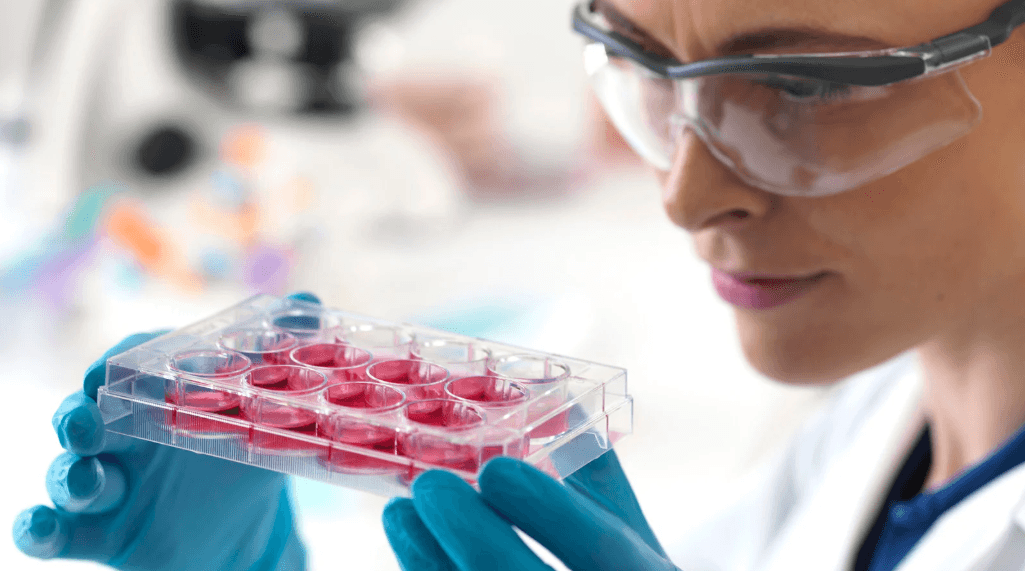
Stem cell transplantation is an advanced treatment used for certain blood cancers and disorders of the blood and bone marrow.
It involves replacing unhealthy or damaged blood-forming cells with healthy hematopoietic stem cells that can restore the body's ability to produce normal blood cells.
Stem cell transplantation is also commonly referred to as a bone marrow transplant (BMT), although the stem cells used for transplantation may be collected from the bloodstream, bone marrow, or umbilical cord blood.
For selected patients, transplantation can offer the possibility of long-term disease control or cure.
What Are Blood-Forming Stem Cells?
Hematopoietic stem cells are special cells that produce the different types of blood cells needed by the body, including:
Red blood cells, which carry oxygen
White blood cells, which help fight infections
Platelets, which help control bleeding
These stem cells are primarily found in the bone marrow but can also circulate in the bloodstream after appropriate mobilisation.
If the bone marrow is severely affected by disease or intensive treatment, it may no longer produce healthy blood cells effectively. Stem cell transplantation can help restore this blood-forming system.
When Is Stem Cell Transplantation Used?
Stem cell transplantation may be considered for selected patients with conditions such as:
Acute myeloid leukemia (AML)
Acute lymphoblastic leukemia (ALL)
Certain types of lymphoma
Multiple myeloma
Myelodysplastic syndromes (MDS)
Myelofibrosis
Certain inherited blood disorders
Other selected bone marrow disorders
Not every patient with these conditions requires a transplant. The decision depends on factors such as the specific disease, disease risk, response to previous treatment, age, overall health, and availability of a suitable donor when required.
Types of Stem Cell Transplantation
There are two major types of stem cell transplantation.
Autologous Stem Cell Transplant
In an autologous transplant, the patient's own stem cells are collected and stored before high-dose treatment.
After the conditioning treatment, the stored stem cells are returned to the patient.
This approach is commonly used for selected patients with diseases such as multiple myeloma and certain lymphomas.
Allogeneic Stem Cell Transplant
In an allogeneic transplant, stem cells come from another person, known as a donor.
The donor may be a sibling, another matched family member, or an unrelated donor. In certain circumstances, a partially matched donor may also be considered.
Allogeneic transplantation can be particularly important for selected patients with diseases such as acute leukemias and certain bone marrow disorders.
A major advantage of an allogeneic transplant is the potential graft-versus-leukemia or graft-versus-tumor effect, in which donor immune cells can recognise and attack remaining abnormal cells.
Where Do the Stem Cells Come From?
Stem cells used for transplantation can be collected from different sources.
Peripheral Blood
Stem cells can be mobilised from the bone marrow into the bloodstream using specialised medicines. They are then collected using a procedure similar to blood donation called apheresis.
Bone Marrow
Stem cells can also be collected directly from the bone marrow, usually from the pelvic bones, under appropriate medical supervision.
Umbilical Cord Blood
Cord blood collected after birth can contain blood-forming stem cells and may be used in selected transplantation situations.
How Does a Stem Cell Transplant Work?
Although the exact process differs from patient to patient, transplantation generally involves several stages.
1. Detailed Evaluation
Before transplantation, the patient undergoes a comprehensive assessment.
This may include blood tests, imaging, heart and lung evaluation, infection screening, and other investigations.
The purpose is to assess the patient's overall fitness for transplantation and identify potential risks.
2. Stem Cell Collection
For an autologous transplant, the patient's stem cells are collected and stored.
For an allogeneic transplant, stem cells are collected from the selected donor after appropriate donor evaluation and preparation.
3. Conditioning Treatment
Before the stem cells are infused, the patient receives conditioning therapy.
This usually involves chemotherapy and, in selected cases, radiation therapy.
The goals of conditioning may include destroying remaining cancer cells, suppressing the patient's immune system, and creating an environment where the transplanted stem cells can establish themselves.
4. Stem Cell Infusion
The collected stem cells are infused into the patient's bloodstream through a central venous catheter.
The procedure itself is generally similar to receiving a blood transfusion.
The stem cells then travel through the bloodstream to the bone marrow, where they begin the process of producing new blood cells.
5. Engraftment and Recovery
After transplantation, there is a period when blood cell counts are low.
The transplanted stem cells gradually begin producing new blood cells. This process is known as engraftment.
During this period, patients may require close monitoring, infection prevention, blood or platelet transfusions, and supportive treatment.
What Is Graft-Versus-Host Disease?
Graft-versus-host disease, or GVHD, is a potential complication of an allogeneic stem cell transplant.
It occurs when immune cells from the donor recognise the recipient's tissues as foreign and attack them.
GVHD can affect organs such as the skin, liver, and gastrointestinal tract.
Doctors use various strategies to reduce the risk and severity of GVHD, including selecting an appropriate donor and using medicines to control the immune response.
Interestingly, the same donor immune response can sometimes contribute to the beneficial graft-versus-leukemia effect.
What Are the Risks of Stem Cell Transplantation?
Stem cell transplantation is a complex treatment and can have significant risks.
Potential complications include:
Infections
Low blood counts
Bleeding
Mucositis or mouth and gastrointestinal problems
Organ complications
Graft-versus-host disease after allogeneic transplantation
Infertility in some patients
Graft failure
Disease relapse
The level of risk varies considerably depending on the type of transplant, underlying disease, conditioning regimen, patient's age, overall health, and other factors.
Patients are carefully monitored before, during, and after transplantation to identify and manage complications as early as possible.
Recovery After Stem Cell Transplantation
Recovery is a gradual process.
Even after blood counts begin to recover, the immune system may take considerably longer to return to normal, particularly after an allogeneic transplant.
Patients may need:
Regular blood tests
Infection precautions
Medicines to prevent or treat infections
Immunosuppressive medicines after allogeneic transplantation
Nutritional and physical support
Vaccinations at appropriate intervals
Regular follow-up appointments
The treating transplant team provides personalised instructions based on the type of transplant and the patient's recovery.
Is Stem Cell Transplantation a Cure?
For some diseases and some patients, stem cell transplantation can provide long-term remission and may be potentially curative.
However, transplantation does not guarantee that the disease will never return.
The likelihood of success depends on the underlying disease, disease status at the time of transplant, genetic and molecular characteristics, patient's overall health, transplant type, and other factors.
What Is the Difference Between a Stem Cell Transplant and a Bone Marrow Transplant?
The terms are often used interchangeably, but they are not exactly the same.
A bone marrow transplant traditionally refers to receiving blood-forming stem cells collected directly from bone marrow.
A stem cell transplant is a broader term because the stem cells may be collected from peripheral blood, bone marrow, or cord blood.
Today, many transplants use stem cells collected from the bloodstream rather than directly from bone marrow.
How Is a Donor Matched?
For an allogeneic transplant, doctors assess compatibility between the donor and recipient.
One of the most important factors is the human leukocyte antigen (HLA) system.
A closer HLA match generally reduces certain transplant-related risks, although other donor and recipient factors are also considered.
Potential donors may include:
Siblings
Other family members
Unrelated volunteer donors
Haploidentical or partially matched family donors
Cord blood units
The best donor option depends on the individual clinical situation.
Stem Cell Transplantation Is Highly Individualised
A transplant is not simply a procedure. It is a carefully planned treatment strategy involving disease assessment, donor selection where applicable, conditioning therapy, stem cell infusion, infection prevention, supportive care, and long-term monitoring.
The decision to proceed with transplantation requires a detailed discussion between the patient and the treating hematology or transplant team.