Understanding Clotting Disorders
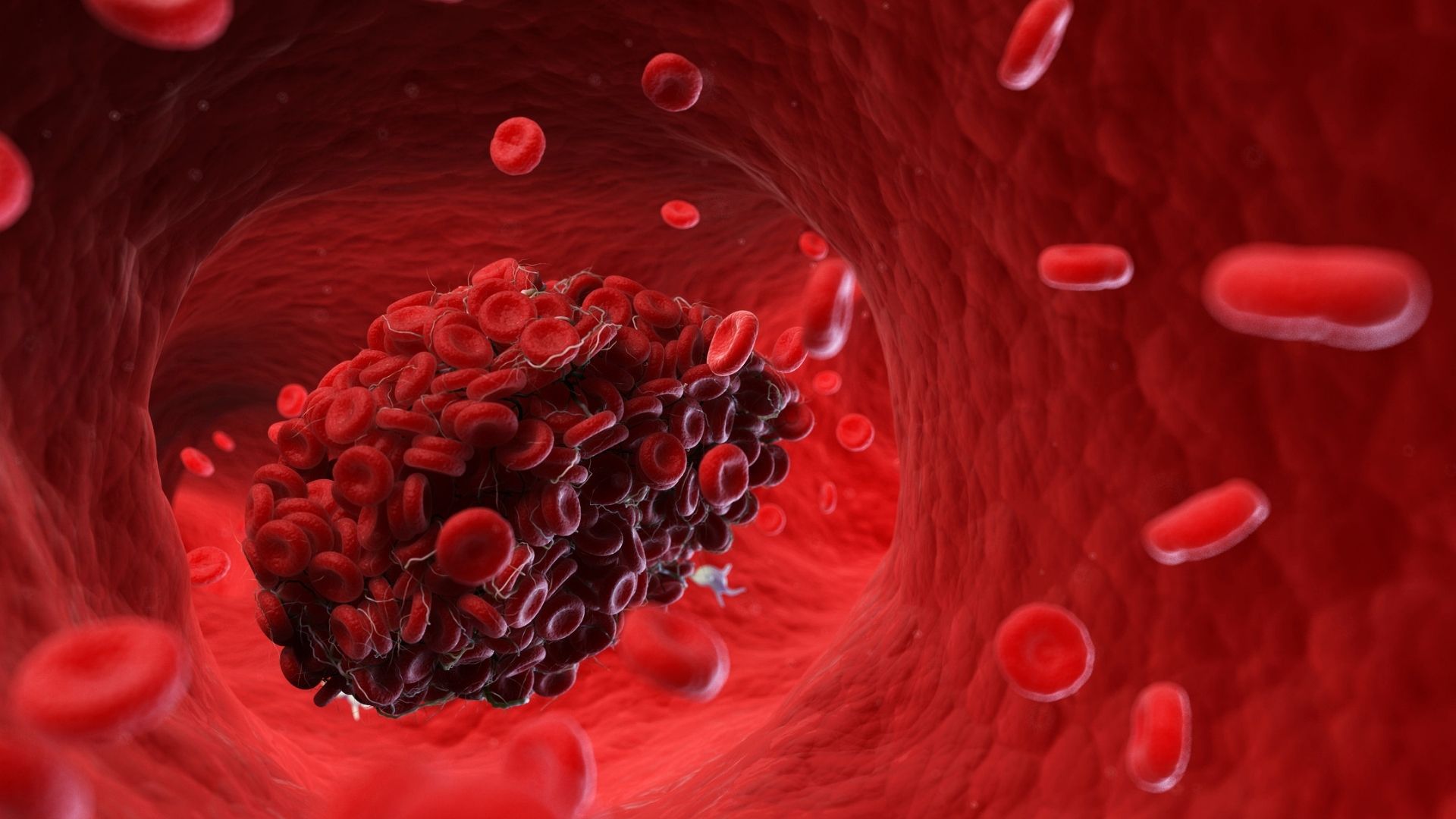
Clotting disorders affect the body’s ability to regulate blood clot formation. While clotting is essential to stop bleeding, in these conditions the body forms clots too easily or inappropriately, which can block blood flow and lead to serious complications.
These disorders may be inherited or develop later in life. Common examples include deep vein thrombosis (DVT), pulmonary embolism (PE), and thrombophilia. With early diagnosis and the right treatment, clotting disorders can be effectively managed and risks can be significantly reduced.
Types of Clotting Disorders :
Deep Vein Thrombosis (DVT)
A condition where a blood clot forms in a deep vein, usually in the legs. It may cause swelling, pain, warmth, and redness in the affected area. If left untreated, part of the clot can break off and travel to the lungs, leading to a life-threatening complication.
Pulmonary Embolism (PE)
Occurs when a clot (often from a DVT) travels to the lungs and blocks a pulmonary artery. Symptoms may include sudden shortness of breath, chest pain, rapid heartbeat, or coughing up blood. This is a medical emergency and requires immediate treatment.
Thrombophilia
A group of inherited or acquired conditions that increase the tendency of blood to clot. Examples include Factor V Leiden mutation, prothrombin gene mutation, and antiphospholipid syndrome. Individuals may experience recurrent clots or complications during pregnancy.
Other Related Conditions
This includes disorders that increase clotting risk due to underlying health issues or external factors, such as:
Cancer-Associated Thrombosis:
Certain cancers and treatments can increase the risk of abnormal clot formation.
Hormone-Related Clotting Risk:
Use of oral contraceptives, hormone therapy, or pregnancy can increase clotting tendency in some individuals.
Immobility-Related Clotting:
Prolonged inactivity (such as long travel or bed rest) can slow blood flow and increase clot risk.
These conditions require careful monitoring and preventive strategies.
Common Symptoms
Swelling, pain, or tenderness in the limbs
Redness or warmth over affected area
Sudden shortness of breath
Chest pain or discomfort
Unexplained fatigue or dizziness
If you notice these symptoms, especially suddenly, seek medical attention immediately.
Advanced Treatment Options
Treatment depends on the type and severity of the disorder. Options may include:
Anticoagulant (blood-thinning) medications
Thrombolytic therapy (to dissolve clots in emergencies)
Compression therapy (for DVT management)
Lifestyle modifications and risk prevention
Long-term monitoring for recurrent conditions
Each treatment plan is personalized to reduce risk and prevent complications.
Our Approach to Care
We focus on early detection, prevention, and comprehensive care. Every patient receives:
Thorough risk assessment and diagnosis
Personalized treatment and prevention plans
Guidance on lifestyle and long-term management
Continuous support and monitoring
When to Seek Help
If you experience symptoms of a blood clot or have risk factors for clotting disorders, timely consultation can be life-saving.
Book a consultation today and take a proactive step toward safer, healthier living.




© 2026 Kunal Goyal